 listicle
Professional DJ Services for School Dances: 2026 Guide
Table of Contents
- What Professional DJ Services for School Dances Should Include
- Quick Comparison: School Dance DJ Providers at a Glance
- What School Dance DJ Cost Looks Like in 2026
- Building a School Dance Music Playlist That Works
- Questions to Ask a School Dance DJ Before You Book
- DJ Games for School Dances That Keep Students Engaged
- Safety, School Policy, and Inclusive Dance Floors
- Planning Timeline and Checklist for Booking a School Dance DJ
- Frequently Asked Questions
Last Updated: October 18, 2026
What Professional DJ Services for School Dances Should Include
Professional DJ services for school dances are more than a speaker and a laptop.
The gap between a good school dance and a flat one usually comes down to preparation.
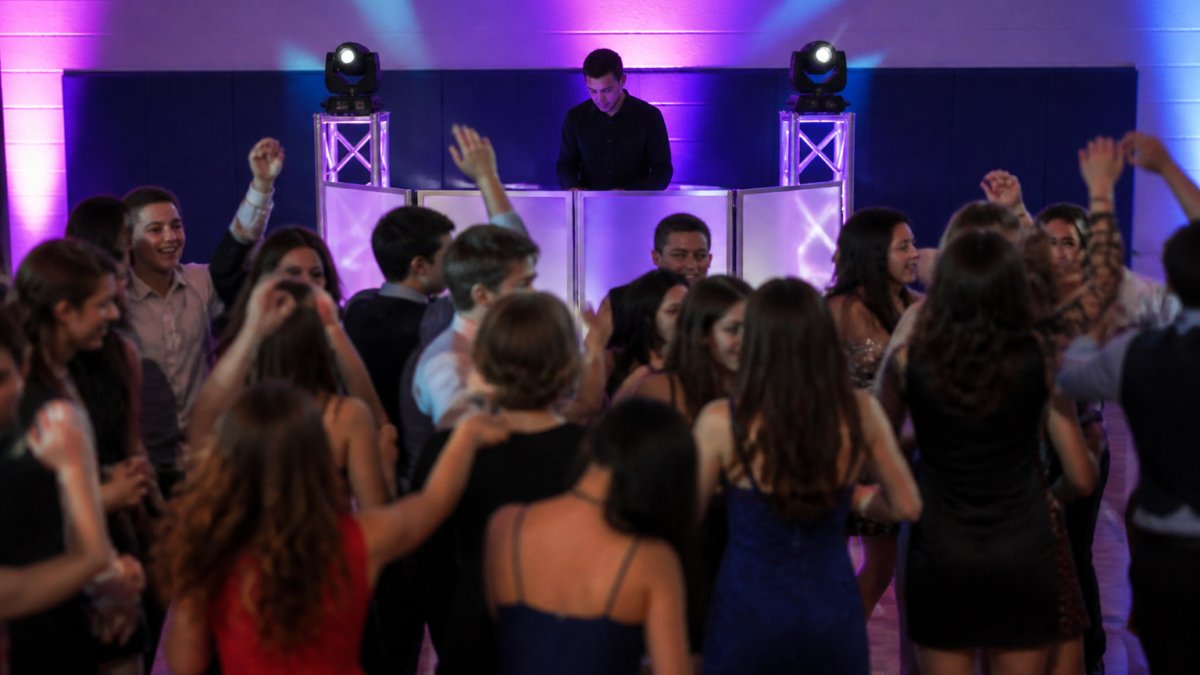
Sound, Lighting, and the Setup That Fills a Gym
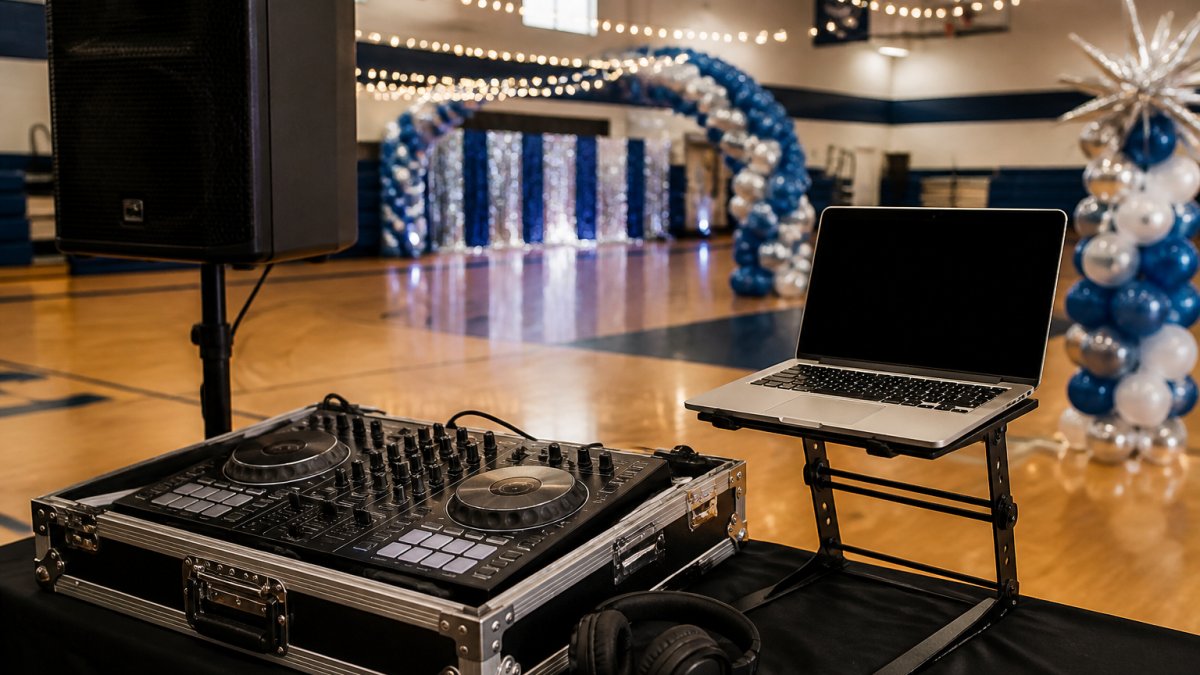
A gymnasium is one of the hardest rooms to fill with sound. Hardwood floors, concrete walls, and high ceilings bounce audio in every direction. Ask any prospective DJ how they handle that, and listen for specifics: speaker placement, subwoofer use, and whether they bring enough rig for the square footage.
Lighting matters just as much. A bright gym with fluorescent panels kills the mood. Uplighting, moving heads, and a controlled dark-out plan turn the same space into something students actually want to stay in.
- Sound: speakers matched to room size, backup mixer, wireless microphone for announcements
- Lighting: uplighting, dance floor effects, and a plan for dimming house lights
- Setup: arrival time, load-in access, and a sound check before doors open
Quick Comparison: School Dance DJ Providers at a Glance
School dance DJ providers range from single-operator businesses to multi-city entertainment companies. The right fit depends on your event size, your budget, and how much support you want before the night. But a generic table of provider types does not help you compare actual packages.
Here is how the main provider types stack up on the criteria that actually matter for a school dance.
| Provider Type | Typical Included Equipment | Typical Hours | What Is Usually Optional | Best For | What to Verify in Writing |
|---|---|---|---|---|---|
| Single-operator DJ | One sound system, basic lighting, wired microphone | 3-4 hours | Uplighting, photo booth, extra speakers | Tight budgets, smaller dances under 300 students | Backup mixer and speaker, liability insurance certificate, clean-music policy |
| Local multi-op DJ company | Sound system, dance lighting, wireless mic, MC | 4-5 hours | Photo booth, CO2, monogram projection, extra hour | Mid-size dances and proms | Which specific DJ is assigned, substitute policy, equipment redundancy |
| Regional entertainment company | Full sound and lighting rig, MC, setup crew | 5-6 hours | Photo booth, stage, effects, additional rooms | Large proms and multi-school districts | Crew size, load-in plan, on-site manager, insurance limits |
| Full production house | Stage, truss lighting, line-array audio, video | 6+ hours | Custom staging, pyrotechnics (rarely allowed), recording | Large-scale events with complex production | Total staffing plan, union labor rules, venue approval requirements |

What Actually Changes Between Packages
Most school dance DJ packages are built from the same core pieces: sound, lighting, microphone, and music programming. The differences come down to three variables.
- Hours included: A standard package often covers four hours of performance time, but setup and teardown are separate. Ask whether the quoted hours include load-in and sound check.
- Equipment tier: Entry-level packages may include two top speakers and a basic mixer. Mid-tier packages add subwoofers, wireless microphones, and dance-floor lighting. Premium packages include moving-head lights, uplighting, and backup gear on site.
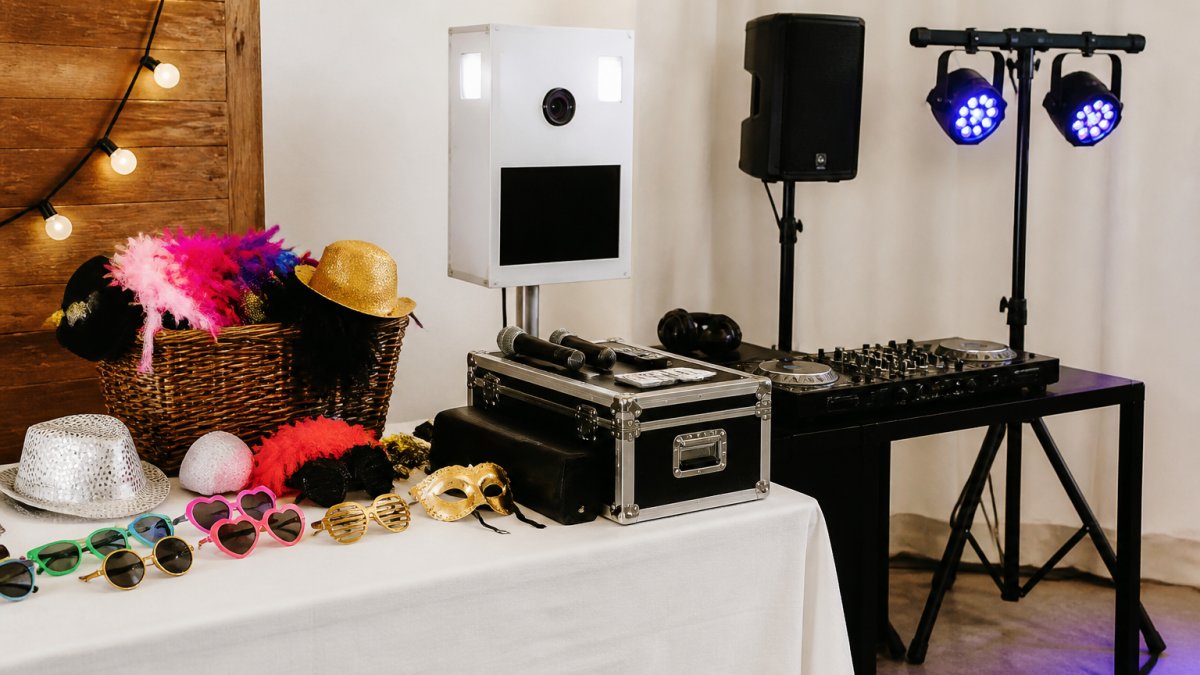
- Add-ons: Photo booths, CO2 cannons, monogram projections, and extra lighting are almost always priced separately. Get the add-on price in writing before you compare totals.
How to Compare Bids Without Getting Fooled
A lower total does not always mean a better value. Compare bids on these five points:
- Performance hours vs. total hours: Confirm how many hours the DJ is actually performing versus setting up.
- Backup equipment: Ask whether a backup mixer, speaker, and microphone are on site. If not, ask what happens if gear fails.
- Music policy: Confirm the provider uses clean edits only and has a written request-screening process.
- Insurance and background checks: Request a certificate of insurance and ask whether staff working school events have passed background checks.
- Assigned DJ: Ask for the name of the DJ assigned to your date and whether substitutions are allowed.
A bid that is dramatically lower than the others usually means one of those five items is missing. Use the list above to spot the gap before you sign.
What School Dance DJ Cost Looks Like in 2026
School dance DJ cost depends on hours, room size, lighting, and extras. There is no single national rate, and any provider quoting one without asking about your venue is guessing.
A common pattern among school dance providers is to price in tiers. A premium package for a five- to six-hour prom or large-scale event adds moving-head lighting, a photo booth, and extra setup crew.
What Moves the Price Up or Down
Several factors shift the quote more than schools expect. Ask how each one is priced before you compare totals.
- Event length: A two-hour middle school dance costs far less than a five-hour prom. Most providers price in hourly blocks after a base package, so confirm the overage rate.
- Room size and sound needs: A large gym may require extra speakers and subwoofers. Ask whether the provider sizes the system to the square footage or brings a fixed rig regardless of the room.
- Lighting: Uplighting and dance-floor effects add setup time and equipment. Ask whether lighting is included in the base package or priced per fixture.
How to Read a School Dance DJ Quote
A useful quote separates four line items: performance time, equipment, travel, and add-ons. If a provider will not break those out, ask for a revised quote. Here is what to look for in each line.
- Performance time: Confirm the start and end times, and whether setup and sound check are included or billed separately.
- Equipment: List the speakers, subwoofers, microphones, lighting fixtures, and backup gear included. If a backup mixer is not listed, ask why.
- Travel: Confirm whether travel is included in the quoted price or added later.
Building a School Dance Music Playlist That Works
A school dance music playlist should mix current hits, proven throwbacks, and student requests, all screened for clean content. The best playlists are built before the event, not improvised on the night.
Start with a request form sent out a week ahead. Students submit songs, you and the DJ screen them, and the final list reflects what the crowd actually wants.
- Current top-40 tracks with clean versions confirmed
- Throwbacks that get every grade level moving
- Line dances and group songs for crowd participation
Questions to Ask a School Dance DJ Before You Book
Ask about equipment, backup plans, clean music policy, insurance, and references before signing anything. The answers tell you more than any promotional page.
Here is the short list we would want answered in writing:
- How many school dances have you played, and can you share references from those schools?
- What is your backup plan if equipment fails or you get sick?
- How do you handle clean versions and student requests that are inappropriate?
- Are you insured, and can you provide a certificate?
- What is included in the quote, and what costs extra?
- How early do you arrive, and do you do a sound check?
- Who is the actual DJ on our date, and can we speak with them?
That last question matters more than most schools realize. Some companies sell you on a senior DJ and send a substitute on the night.
DJ Games for School Dances That Keep Students Engaged
DJ games for school dances break up the night and pull in students who are not natural dancers. The right games fit the age group and keep the floor full without forcing anyone into an awkward spotlight.
For middle school, simple group games work best: freeze dance, dance battles between grade levels, and song-guessing rounds. High school crowds respond better to trivia, lip-sync contests, and coordinated group challenges.
- Freeze dance with elimination rounds
- Grade-level dance battles
- Name-that-song trivia
Safety, School Policy, and Inclusive Dance Floors
Safety and policy compliance are non-negotiable at a school event. Every DJ working a school dance should understand district rules on music content, volume limits, guest access, and emergency procedures.
Clean music is the first line. Confirm the DJ uses edited versions only and has a plan for screening student requests.
Inclusive design deserves the same attention. Not every student dances. Provide seating, quieter zones, and games that do not require a partner.
Planning Timeline and Checklist for Booking a School Dance DJ
Book a school dance DJ four to six months ahead for prom and two to three months ahead for smaller dances. Popular dates fill fast, and late bookings limit your options and your use on price.
Here is the timeline we recommend:
| When | Task | Owner |
|---|---|---|
| 4-6 months out | Set date, budget, and venue | Activities coordinator |
| 4-6 months out | Request quotes from 3 DJs | Coordinator |
| 3-4 months out | Check references and insurance | Coordinator |
| 2-3 months out | Sign contract and pay deposit | Coordinator and admin |
| 4 weeks out | Send student song request form | Coordinator |
| 2 weeks out | Confirm playlist and clean policy | DJ and coordinator |
| 1 week out | Share venue logistics and load-in plan | Coordinator |
| Day of event | Sound check 90 minutes before doors | DJ |
Frequently Asked Questions
How much does a DJ cost for a school dance?
School dance DJ cost varies widely by region, event length, and package inclusions. Most quotes depend on hours booked, equipment needs, and add-ons like lighting or photo booths. Request itemized quotes from at least three providers and confirm what each price includes before comparing.
What should I look for when hiring a DJ for a school dance?
Look for a DJ with documented experience at school events, not just weddings or bars. Ask about their sound system capacity for a gym, their policy on clean music edits, and whether they carry liability insurance. Check reviews and request references from nearby schools. Confirm they can handle student song requests while filtering inappropriate content, and ask how they keep the dance floor engaged between songs. A written contract covering setup time, backup equipment, and cancellation terms is essential.
How do you keep students engaged at a school dance?
Professional DJs keep students engaged by reading the crowd and switching genres before energy drops. DJ games for school dances, such as dance-offs, freeze dance, and song-guessing contests, give students a reason to stay on the floor. Interactive moments like shout-outs and group dances work well for middle school crowds. Mixing current hits with throwbacks keeps different grade levels involved. A DJ who takes requests and announces them by name builds momentum throughout the night.
Can a school dance DJ take song requests?
Yes, most professional DJs accept student requests, but with content controls in place. Ask how they screen requests for clean versions and school-appropriate lyrics before the event. Many DJs use request cards or a QR code form so students can submit songs without crowding the booth. Confirm the DJ will honor the school's do-not-play list and can decline requests without disrupting the event. Setting expectations upfront keeps the playlist fun and policy-compliant.
When should a school book a DJ for prom?
Book a prom DJ three to six months in advance, especially for Saturday dates in April and May when demand peaks. Popular providers fill their calendars early, and waiting can limit your options to less experienced DJs. Booking early also locks in pricing and gives you time to schedule a planning consultation. For homecoming or winter dances, two to three months of lead time is usually enough, but earlier is always safer for large events.
Planning a school dance means juggling vendors, budgets, and district rules at the same time. LOVE, HAPPINESS & FAMILY LLC handles the entertainment side so you can focus on the rest, with professional DJs who read a crowd, custom uplighting and monogram projections, and immersive photo booth options that keep students engaged between songs. Get in touch with our team to check availability for your date and build a package around your event.